


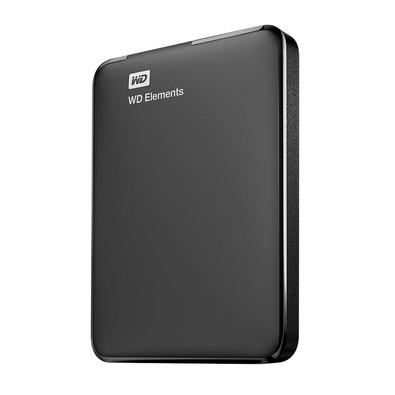
If you are asking this question, you are probably having a problem with your external drive and are afraid you have lost it, and everything on it, for good.
If your external drive from this brand has failed and the files matter, see Bot’s external hard drive recovery, done in our own lab.
If so, our first piece of advice is to stay calm. This can happen to anyone and, fortunately, it can often be put right: even when the WD external drive itself can’t be repaired, the data on it can often be recovered.
When we say this can happen to anyone, we don’t mean that Western Digital is a low-quality brand; quite the opposite. The company has been around for over 50 years and is one of the world’s leading storage manufacturers, as data from Statista shows.
According to this data, between July 2017 and June 2018, the global market for storage drives was split among manufacturers as follows:
- Western Digital: 38.6%
- Seagate: 20.9%
- Toshiba: 17.7%
- Hitachi: 2.7%
- Sony: 2.1%
- Fujitsu: 1%
- Others: 17%
In 2019, a figure that also includes SSDs, the distribution was different, but WD was still among the leaders:
- Samsung: 33.6%
- Western Digital: 24.6%
- Seagate: 15.7%
- Toshiba: 5.2%
- Hitachi: 2.3%
- Others: 18.5%
With the storage drive market valued at $63.4 billion that year, around $15.6 billion went to Western Digital, which shows how strong its position is.
In other words, almost one in every four dollars spent on storage drives in 2019 went to WD. These figures don’t distinguish between internal and external drives, but external drives are a big part of Western Digital’s range.
With sales on that scale, the company has a huge number of customers, and some of them will inevitably run into problems with their drives for one reason or another.
If you are one of them, don’t worry: below we explain the main reasons why Western Digital drives can fail and what you can do to get your data back.
Why Might a Western Digital External Drive Need Recovery?
As we said, this doesn’t mean the device is poor quality. It is an electronic device, and like any other it can develop faults, just as even the best cars can break down and need a mechanic.
You may need to recover your WD external drive without even knowing why it happened, so it helps to know the most common causes:
- Hacker attacks: people tend to think only of internal drives when it comes to hacker attacks, but external drives can be targeted too.
- Physical damage: this is a very common cause. Knocks, shocks, drops and the like can damage the drive’s mechanical parts, making it hard or even impossible for it to work.
- Liquid spills: because the drive is easy to carry, it often ends up in a bag next to a water bottle, for example. There is also the risk of water, juice or another drink being spilled on the desk and getting the drive wet.
- Human error: another very common cause, such as deleting files by accident.
- Formatting: formatting can be accidental (another form of human error) or intentional, but once it is done, people often remember an important file they can no longer access.
- Loss and theft: external drives are often carried in a handbag, a backpack or even a pocket, so they are easily lost or stolen. Unfortunately, in that case the data can’t be recovered unless there is a copy somewhere else or the drive turns up.
- Power problems: power cuts, surges or an abrupt loss of power can damage the drive, although this is more common with internal drives.
- Viruses and malware: finally, these can infect the external drive and make some or all of the files inaccessible.
Is It Possible to Recover a Western Digital External Drive?
There is no one-size-fits-all answer to this question. Each case needs a thorough diagnosis to find the best possible solution.
The best option is always to rely on specialists such as Bot, with the technical knowledge to help you.
There are, however, some steps you can try at home. But note: only go ahead if you have some knowledge of data recovery, as Bot cannot be held responsible for any damage to your device.
One of the simplest things to try with a WD external drive uses a tool built into Windows. It only makes sense for logical errors (the drive is detected but you can’t open it or the files), not for drives that make strange noises or are not recognized. As it writes changes to the drive, don’t run it if the data is important and you have no backup. Follow these steps:
- Make sure the Western Digital external drive is connected.
- Open the Start menu.
- Type “cmd” (without the quotes), right-click “Command Prompt” and choose “Run as administrator”.
- Then type
chkdsk G: /f, replacing “G:” with the drive letter of your external drive, and press Enter. - Wait for the check to finish: Windows will try to fix any file system errors it finds.
Once it has finished, try opening your files. If you can, the problem should be solved; if not, you will need to try other options, such as relying on Bot to recover your Western Digital external drive.
Are There Other Ways to Recover a WD External Drive?
Yes. Besides this simpler procedure, there are programs designed specifically for data recovery, such as Recoverit, EaseUS Data Recovery, DiskGenius, TestDisk, R-Studio and PhotoRec, among others.
However, we only recommend them to people with solid technical knowledge. Otherwise, the recovery may fail and even reduce the chances of a later professional recovery. Never save recovered files to the drive you are recovering.
How Can I Avoid Problems with My Western Digital External Drive?
As the saying goes, prevention is better than cure. Here are a few tips to avoid having to recover your WD external drive:
- Handle the drive with care. It is portable, but you should still avoid knocks, shocks and similar situations. It is worth using the protective case that may come with the drive, or buying one to help protect it from impacts.
- Only delete what you are sure you won’t need later. Accidental deletions are common, but simply asking yourself whether that data matters before confirming the deletion will help you avoid this.
- If you don’t need your Western Digital external drive, don’t take it with you. The less it is carried around, the lower the chance of something going wrong. If you are not going to use it, leave it at home or at work.
- Keep more than one backup of important files. For files you really can’t afford to lose, it is a good idea to store them in more than one place, for example in the cloud and on an external drive. That way, even if everything else fails, you are still protected.
So, How Do I Recover a Western Digital External Drive?
If you have tried these procedures and they haven’t worked, or if you don’t have much experience and would rather not risk your data, the best solution is to rely on a specialized company like Bot.
With more than two decades of experience, more than 200,000 cases and a 96% success rate, we have the specialized equipment and an experienced team to deal with everything from logical errors to physical damage, and we are very proud of the work we do for our clients.
Don’t waste any more time: count on Bot’s external drive recovery service, carried out by specialists in a Class 100 (ISO 5) cleanroom under ISO 14644-1. That way, you will find out whether your Western Digital external drive can be repaired and, above all, whether your data can be recovered.
Fill in this form to start your recovery with us: it takes less than a minute, and the standard diagnosis is free and ready within 48 hours.


